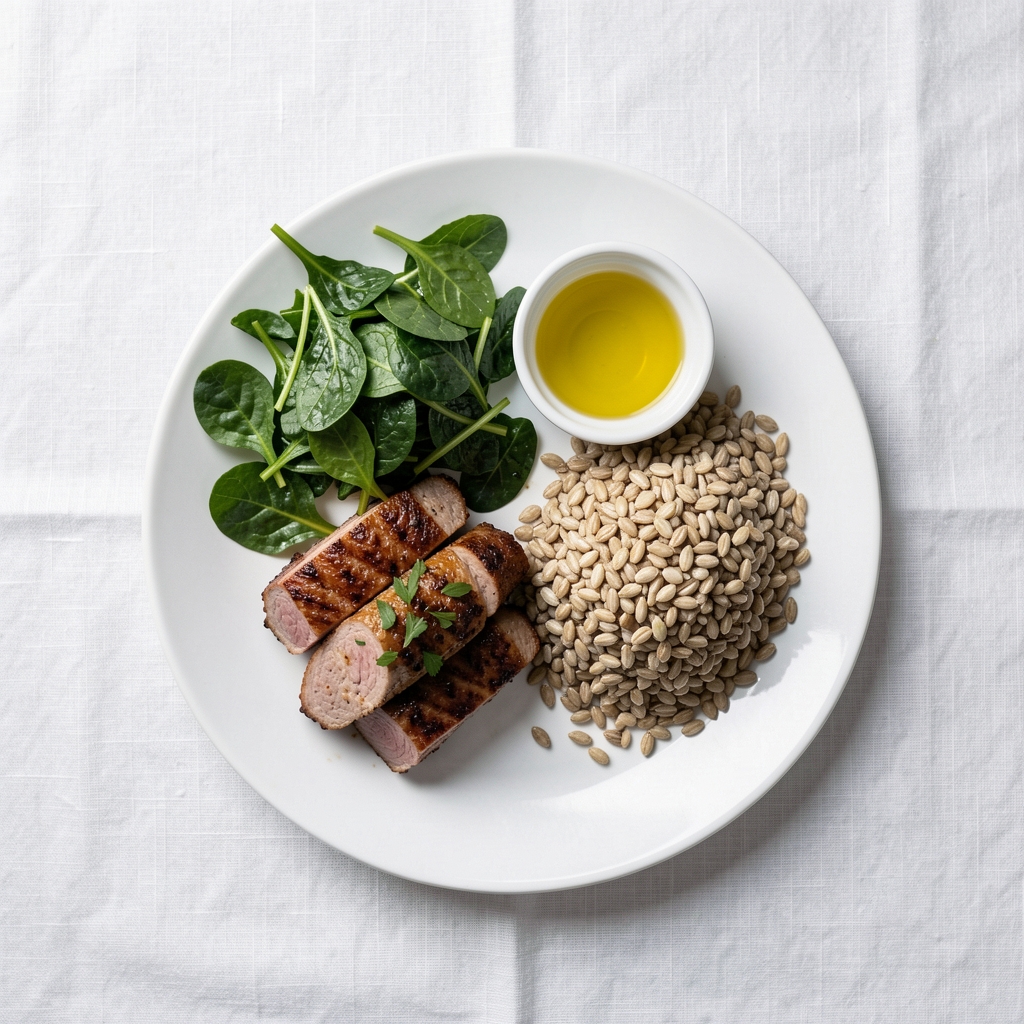

Making Sense of the Weekly Menu
A structured reading of how consistent meal-planning frameworks reduce daily decision overhead and align with published dietary-balance targets. The evidence behind the seven-day rotation.
An independent reading on how daily menus take shape — structured, seasonal, and grounded in practical nutritional reasoning.
Talep Letters publishes editorial analysis of everyday nutritional decisions. Each article examines a specific dimension of the daily menu — portion architecture, ingredient sourcing, the scheduling logic of weekly meal preparation — and presents findings in plain, evidence-grounded language.
The publication references published dietary guidelines, peer-reviewed nutritional research, and field observations from qualified nutrition professionals. Content undergoes editorial review before publication and is updated when primary sources change.
View Editorial Standards
A structured reading of how consistent meal-planning frameworks reduce daily decision overhead and align with published dietary-balance targets. The evidence behind the seven-day rotation.
Portion control reviewed through the lens of energy balance and the published plate models used by dietetic associations. What the data documents about household serving sizes and weight management.
A field-note reading on why nutritional density and flavour concentration differ between seasonal and non-seasonal produce, and how that variance maps onto the practical home-cooking routine.
Analysis of nutrient-density measurements across minimally processed and highly processed food categories. The publication references data published by the British Nutrition Foundation and NHS dietary guidelines to contextualise practical ingredient selection for the home cook.
Each balanced meal article documents the macronutrient distribution across a single serving — protein-to-fibre ratio, total calorie awareness, and how the colour composition of a plate correlates with micronutrient coverage according to published nutritional scoring systems.
Systematic documentation of meal-preparation strategies — batch cooking schedules, grocery planning frameworks, and the behavioural research behind consistent meal-timing. Articles draw on dietary habit studies with sample sizes exceeding 500 participants.
Editorial coverage of fluid intake as it relates to everyday energy levels and the daily routine. Referenced against EFSA hydration guidelines. The publication distinguishes between hydration through beverages and through high-water-content food sources such as cucumbers, tomatoes, and leafy greens.
Intersection of daily nutrition and physical activity — what published sport science says about pre- and post-exercise food choices for non-professional active individuals. Topics include carbohydrate timing, fibre-rich snacks, and the role of home-cooked recovery meals.
Coverage of fermented foods, fibre-rich grains, and prebiotic vegetables as documented in published gastroenterology nutrition research. Articles cross-reference with UK dietary fibre intake statistics and practical kitchen applications for everyday gut-supportive eating.
"A daily menu is a sequence of decisions — each one constrained by time, budget, and habit. Talep Letters documents those constraints precisely, rather than proposing that they disappear."
Answers to common questions about Talep Letters, its editorial scope, and how it approaches the subject of everyday nutrition.